
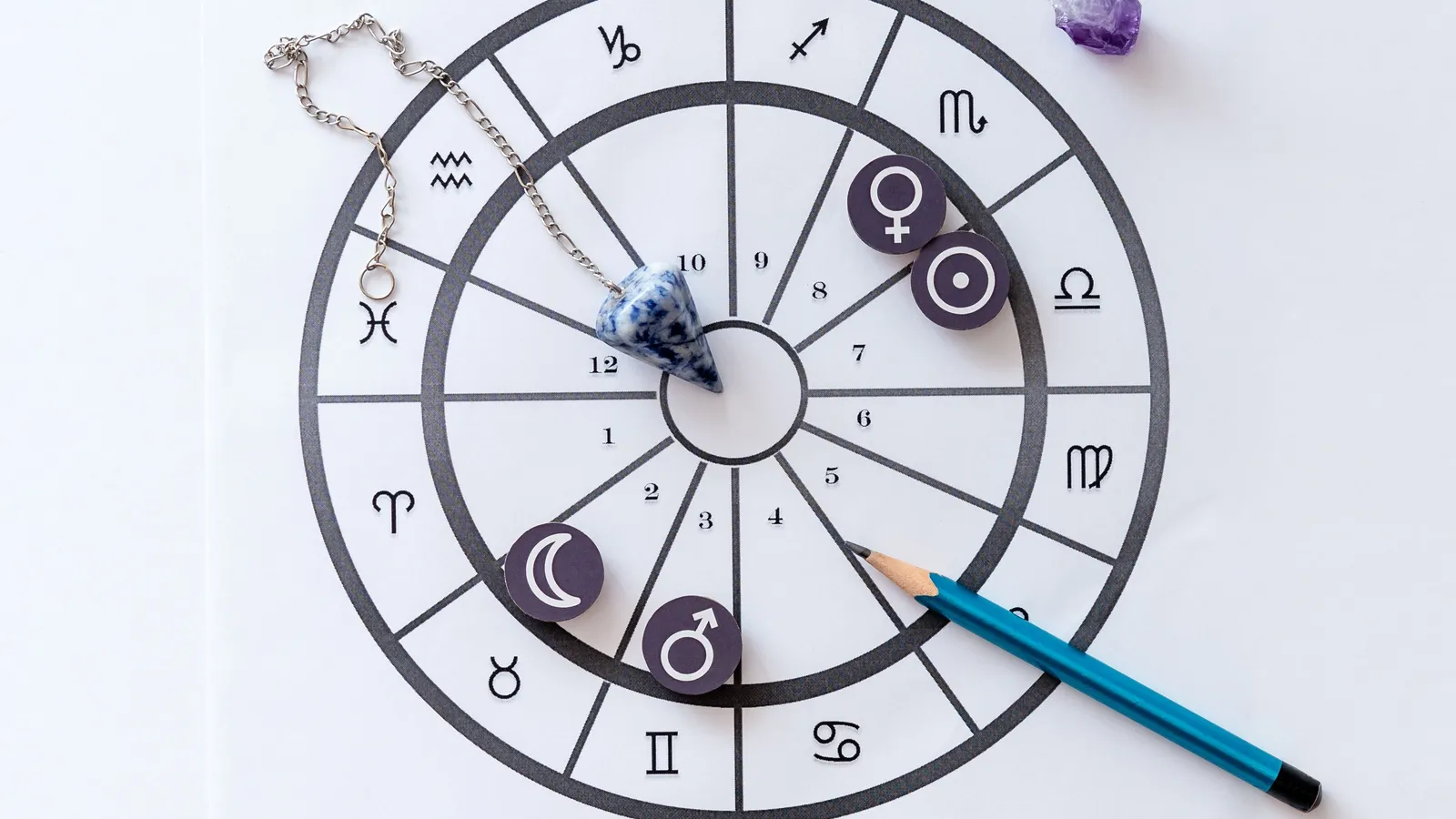
Sibling rivalry in astrology often traces back to the third house, the house of siblings, early communication, and the immediate environment of childhood. Mars and Saturn placements shape how two children raised in the same home learn to compete for attention, resources, and approval. As of October 7, 2026, comparing each sibling’s full birth chart, rather than just sun signs, usually explains more about the friction than any single placement.
What Is Sibling Rivalry in Astrology?
Sibling rivalry describes the ongoing competition between brothers and sisters for parental attention, a sense of fairness, or the role of favored child. In a birth chart, the third house holds information about siblings and the early home environment where that competition first took shape.
Mars shows how a person asserts themselves and fights for what they want. A sibling with Mars in a fiery sign, like Aries or Leo, may push harder for visibility than one with Mars in a quieter earth sign.
Saturn adds weight and responsibility, often landing hardest on the oldest child or the one cast as “the reliable one.” Looking at both charts side by side, a technique astrologers call synastry, usually reveals more than studying either chart alone.
Why Do Some Siblings Compete More Than Others?
Age gap, birth order, and how parents distributed attention all shape the intensity of rivalry, separate from the charts themselves. A tight two-year gap between siblings tends to produce sharper competition than a gap of eight or ten years.
When one child is consistently praised and another consistently corrected, a golden child and a scapegoat pattern can form early. This dynamic often overlaps with what’s described in the black sheep role in a family, where one sibling absorbs blame so the family system stays stable.
Saturn’s hard angles matter here too. Saturn square natal Saturn, a tense alignment between current Saturn and its position at birth, happens around age 21 for most people. Around that age, sibling roles that formed in childhood can harden further, just as both siblings are stepping into adult identities.
How Does Sibling Tension Carry Into Adulthood?
Sibling rivalry rarely disappears at eighteen, it usually just changes shape. Old arguments about fairness can resurface around holidays, inheritance, or caregiving for aging parents.
The Saturn return, when Saturn comes back to the exact degree it occupied at birth, happens between ages 27 and 30. This period often forces adult siblings to renegotiate roles set decades earlier, sometimes with more honesty than was possible as children.
Jupiter returns roughly every 11.9 years and can bring moments of reconnection or renewed comparison, depending on where each sibling stands in life at the time. A reunion at a wedding or funeral during one of these windows can either ease old tension or reignite it. Understanding these cycles sits alongside broader work on family patterns across generations, since sibling dynamics rarely exist in isolation from the parents who shaped them.
What Makes Siblings Compatible or Incompatible?
Sibling compatibility in astrology depends less on matching sun signs and more on how the two charts interact as a whole. Two Leos can clash hard over who gets the spotlight, while a Leo and a Pisces might balance each other if their Moons and Mars signs are easygoing.
Elements offer a rough starting point. Two fire signs together often generate competitive energy, two earth signs may bond over shared practicality, and a fire-water pairing can swing between warmth and hurt feelings depending on the day.
Consider an example. An older sister with Saturn in the third house may have grown up correcting her younger brother, who has Mars in Aries and hates being told what to do. Neither one is wrong, their charts simply describe a pull between structure and independence.
Compatibility also shifts with age and distance. Many siblings who fought constantly as children report smoother relationships once they live apart and meet on more equal footing as adults.

When Do Old Sibling Patterns Resurface in Transits?
Transits are the ongoing movement of planets in the sky compared to a birth chart, and they can reactivate old family themes at predictable points. Mars transits, in particular, often correspond to periods of renewed assertiveness or friction between siblings, since Mars rules competition and direct confrontation.
You can verify exact planetary positions and movement dates using astro.com’s ephemeris tool, which tracks these shifts in real time. The table below lists the Mars sign changes scheduled for 2027, a year with more Mars movement than usual.
| Date | Mars Enters | Relevance to Sibling Dynamics |
|---|---|---|
| February 22, 2027 | Leo | Pride and recognition disputes may resurface |
| May 15, 2027 | Virgo | Criticism and comparison of "who did it better" |
| July 16, 2027 | Libra | Fairness and balance become central themes |
| September 3, 2027 | Scorpio | Old resentments or buried grievances may surface |
| October 16, 2027 | Sagittarius | Differences in belief or lifestyle become visible |
| November 26, 2027 | Capricorn | Responsibility and caregiving roles get tested |
These six Mars shifts do not guarantee conflict, they simply mark windows when old sibling material tends to rise closer to the surface. Noticing the pattern, rather than reacting to every flare-up, often helps more than the transit itself.
Should You Try to Smooth Out a Difficult Sibling Relationship?
Whether to repair a strained sibling bond is a personal decision, not something a chart can answer for you. Astrology can describe the pattern, the roles each person settled into, and the periods when tension tends to resurface, but it cannot tell you what to do with that information.
Some siblings find that naming the old roles out loud, the responsible one, the forgotten one, the favorite, takes some of the charge out of them. Others decide the relationship works better with distance, and that choice deserves as much respect as reconciliation does.
A simple framework can help. First, name the role you played growing up and the role your sibling played. Second, notice whether those roles still run your conversations today.
Third, think about timing. If Mars moving into Libra on July 16, 2027 has fairness disputes running hot in your family, a calmer month may suit a hard conversation better.
Finally, decide what you want: closer contact, clearer boundaries, or simply less resentment. Each is a valid goal, and none requires the other person to change first.
Family roles rarely form in a vacuum. Patterns shaped by emotionally immature parenting often set the stage for sibling competition long before either child had any say in it. Seeing that context does not excuse anyone’s behavior, it simply widens the picture beyond blame.
Ruth Alder’s approach looks at the whole family system rather than isolating one sibling as the problem. For readers working through more than one family thread at once, the home page gathers related pieces on parents, siblings, and the roles that repeat across generations.
Ruth offers private readings by email for anyone who wants a closer look at their own sibling chart.